

Responsible Land Governance
Promoting Transparency, Equity, and Sustainable Management of Sierra Leone’s Land Resources

Field Engagement & Land Administration
Our Teams Working Across Communities to Ensure Fair Land Management, Mapping, and Compliance
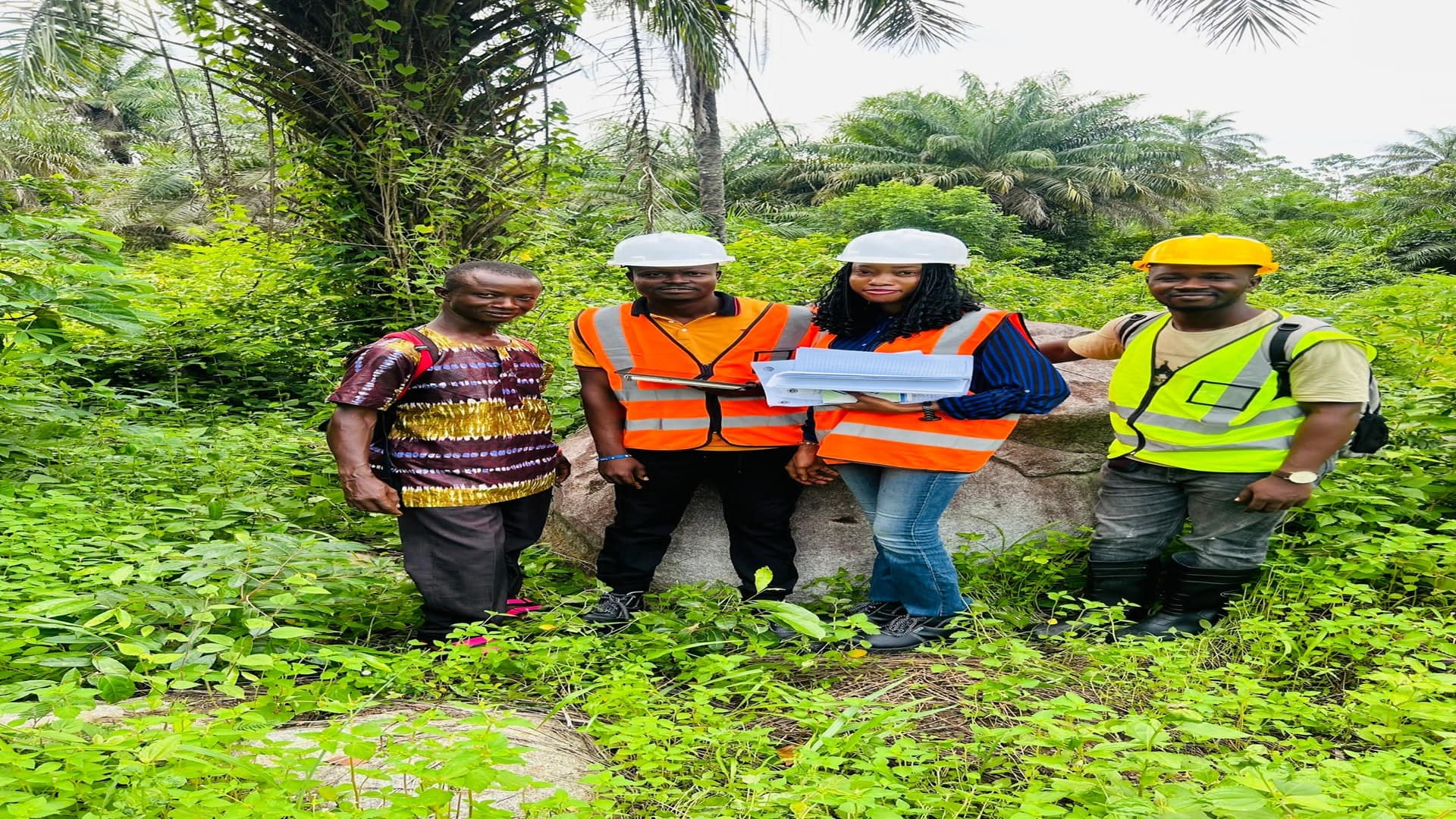
Protecting Sierra Leone’s Land
Promoting Sustainable Land Use for Agriculture, Development, and Future Generations

Digital Land Management
Modernizing land records with technology-driven solutions
Leading Sierra Leone's Land Reform
I am honored to lead the National Land Commission at this historic moment of transformation. The enactment of the National Land Commission Act, 2022 and the Customary Land Rights Act, 2022 marks a new era for land governance in Sierra Leone.
These landmark reforms are already taking shape across the country. We are poised to establish District Land Commissions in all 16 districts, digitize land records, and work with chiefdom authorities, civil society, development partners and other MDA's to document land rights and enhance tenure security. Women and marginalized groups are now guaranteed equitable access to land for the first time in our history.
Our vision is ambitious: a transparent, inclusive, and technology-driven land administration system that secures rights, resolves disputes, and drives national development. With political will and citizen participation, we are building a trusted institution for present and future generations.

Abu Bakarr Sappay Foray-Musa
Commissioner-General
"Building a trusted institution for present and future generations"
Our Vision & Mission
Guiding principles that shape our commitment to transforming land governance in Sierra Leone
Our Vision
"A Sierra Leone that thrives in transparent, inclusive, and technology-driven land governance system that secures rights, resolves disputes, and promotes sustainable national development."
Vision Priorities
- 1Transparency: Open, accountable, and lawful land transactions
- 2Inclusiveness: Equitable access for women, youth, and marginalized groups
- 3Technology-driven: Digital transformation and geospatial innovations
Our Mission
"To provide accountable, professional, and people-centered land governance services through effective administration, digital transformation, institutional capacity building, and collaborative partnerships."
Mission Commitments
- Efficient, timely, and affordable land services
- Safeguard rights of citizens, communities, and investors
- Strengthen land tenure security for development
- Build partnerships for sustainable land governance
Core Values
The principles that guide every decision, action, and interaction at the National Land Commission
Integrity & Accountability
We uphold the highest ethical standards in managing land resources. Decisions are guided by honesty, fairness, and responsibility.
Inclusiveness & Equity
We ensure land governance processes respect and protect the rights of all, particularly women, youth, and vulnerable groups.
Transparency & Rule of Law
We commit to open and predictable processes grounded in the Constitution, the NLCA 2022, and the CLRA 2022.
Efficiency & Innovation
We deliver timely, reliable, and cost-effective land services, using modern technology and innovative approaches.
Sustainability & Stewardship
We recognize land as a finite and irreplaceable resource, balancing development needs with conservation imperatives.
Collaborative Partnership
We work with government, civil society, and private sector to achieve inclusive and sustainable land governance.
Seven Strategic Pillars
Our Corporate Strategy (2025-2029) is built around seven pillars to transform land governance
Institutional Development & Governance
Building a credible, professional, and decentralized Commission with functional District Land Commissions and Chiefdom Land Committees.
Digital Transformation & LMIS
Designing and deploying a modern Land Management Information System (LMIS) for transparent, secure, and efficient land services.
Land Rights Registration & Titling
Promoting systematic recording and registration of land rights with emphasis on protecting customary rights and women's tenure security.
Cadastral Survey & Mapping
Conducting nationwide fit-for-purpose cadastral mapping using modern technologies to improve accuracy and reduce disputes.
Dispute Resolution & GRM
Operationalizing the Complaints and Investigations Unit and establishing ADR mechanisms to address conflicts fairly and efficiently.
Stakeholder Engagement
Strengthening collaboration through Multi-Stakeholder Platforms with government, traditional authorities, civil society, and development partners.
Financing & Sustainability
Mobilizing resources and establishing strong internally generated revenue streams for long-term financial sustainability.
Key Achievements
Milestones achieved in transforming land governance in Sierra Leone
National Land Policy
Established policy foundation for equitable, transparent, and sustainable land governance.
Twin Land Laws Enacted
National Land Commission Act and Customary Land Rights Act passed, ushering in comprehensive reform.
NLC Establishment
Official establishment of the National Land Commission as central coordinating body.
Digital Transformation
LMIS development and pilot registration programs initiated in selected districts.
Loading latest news...
Our Partners & Collaborators
Working together to transform land governance in Sierra Leone
Be Part of Sierra Leone's
Land Governance Reform
With political will, citizen participation, and partner support, we are building a trusted and resilient institution serving as a true guardian of land rights for present and future generations.